
The best deck railing ideas start with the view you want to keep, the style of your home and how you use the space. Glass can make a garden or water view more prominent. Aluminum pickets create a clearer visual pattern and can connect naturally with porch details and outdoor stairs. Neither is the best choice for every home.
Before comparing photographs, choose the decisions that matter most to you: openness, a defined outline, privacy in one direction, everyday care or coordination with the house. Those priorities make it easier to narrow the options and ask for a quotation that describes the railing you actually want.
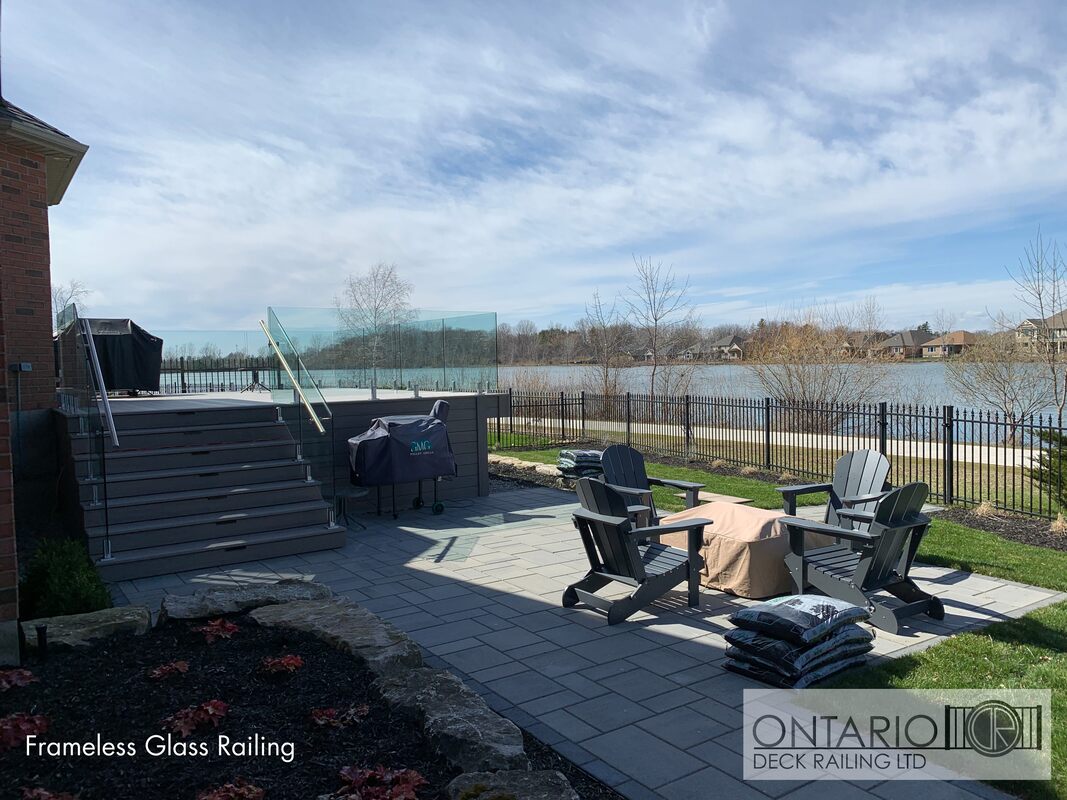
Glass is worth considering when seeing through the railing is an important part of enjoying your deck. Balance that benefit against the visible supports, cleaning access, complete project cost and your preferred appearance. If the vertical rhythm of pickets suits your home better, aluminum may be the more satisfying choice.
Glass versus aluminum: what are you comparing?
In everyday conversation, “glass versus aluminum railing” usually means glass panels versus aluminum pickets. It does not necessarily mean an all-glass assembly versus an all-metal assembly. Framed and Scenic glass systems can also use aluminum posts, rails or other visible metalwork.
This distinction matters when you collect inspiration. One photograph may show glass with continuous top and bottom rails, while another has visible posts and a lighter upper edge. A third may show frameless glass with discreet base fittings. Those are separate visual directions within the glass family.
Start with our railing systems overview to understand the families. Then compare the specific appearance that interests you, rather than asking for a generic glass price or assuming every system has the same supporting details.
| Your priority | Glass direction to consider | Aluminum picket direction to consider |
|---|---|---|
| Keeping the landscape visible | Clear panels with a frame, visible posts or discreet base fittings. | A repeated picket pattern; compare the view between the pickets from your seating position. |
| A defined architectural outline | Framed glass with a visible rail perimeter. | Traditional pickets, capped-post styles or a mid-rail detail. |
| Coordinating with stairs | Discuss the stair glass, handrail and transitions as a complete arrangement. | Continue the picket appearance along the route, with the appropriate stair support. |
| Screening a neighbouring view | Discuss a suitable privacy-glass or screen arrangement separately. | Open pickets do not create a solid visual privacy barrier. |
| Everyday care | Plan access to the panels and fittings for product-specific cleaning. | Plan access around pickets, connections and the coated surfaces. |
| Budget planning | Quote the selected glass system, layout, mounting and installation scope. | Quote the selected picket style on the same layout and scope for a meaningful comparison. |
Idea 1: let the garden or lake be the feature
If the setting is the reason you spend time outside, compare railing options from the places where you actually sit. The view from a dining chair can differ from the view when standing at the edge. A photograph taken above the railing may make every style seem more open than it feels at seated height.
Clear glass can keep the landscape visually connected to the deck. Compare the outline of the supports as well as the panel: a top rail, regular posts and discreet base fittings each introduce a different pattern into the view.
Use photos to explain what you want to see through the railing. Mark the lake, garden bed or distant tree line you would like to retain, and include a seated photograph from your favourite place. That gives the design conversation a practical focus beyond simply asking for the most open-looking product.
For deck and patio railings, think about the view from inside the house, too. The railing may be visible through the kitchen or living-room doors whenever you look outside.
Idea 2: choose the glass outline that suits the home
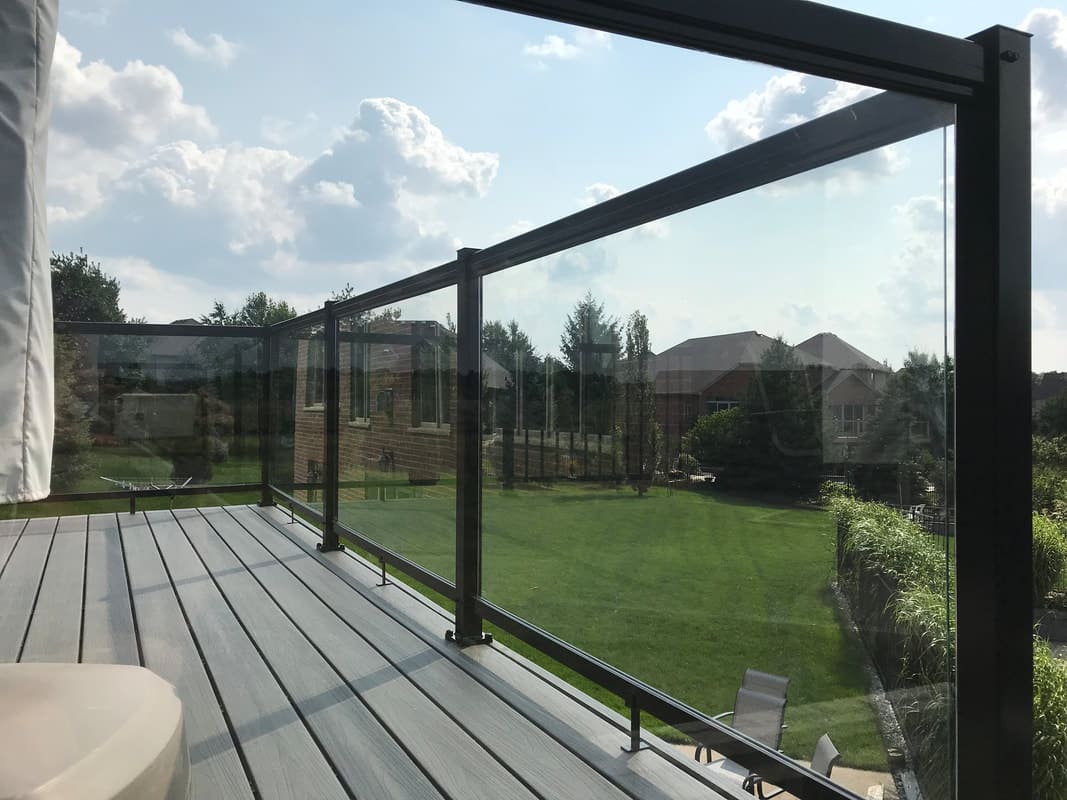
Framed glass for a deliberate perimeter
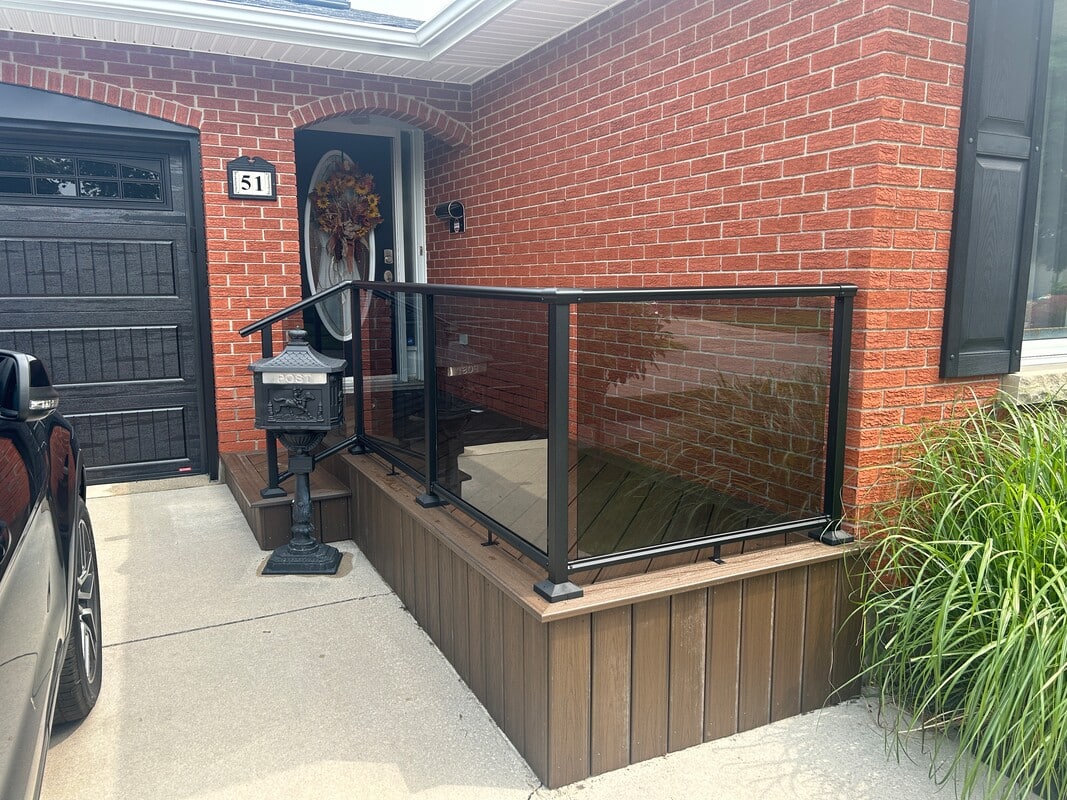
Framed glass railings give clear panels a defined outline. This can connect with strong window frames, porch beams or other visible lines around the home. It is a useful direction when you want openness while keeping the deck edge visually distinct.
Scenic glass for a lighter upper edge
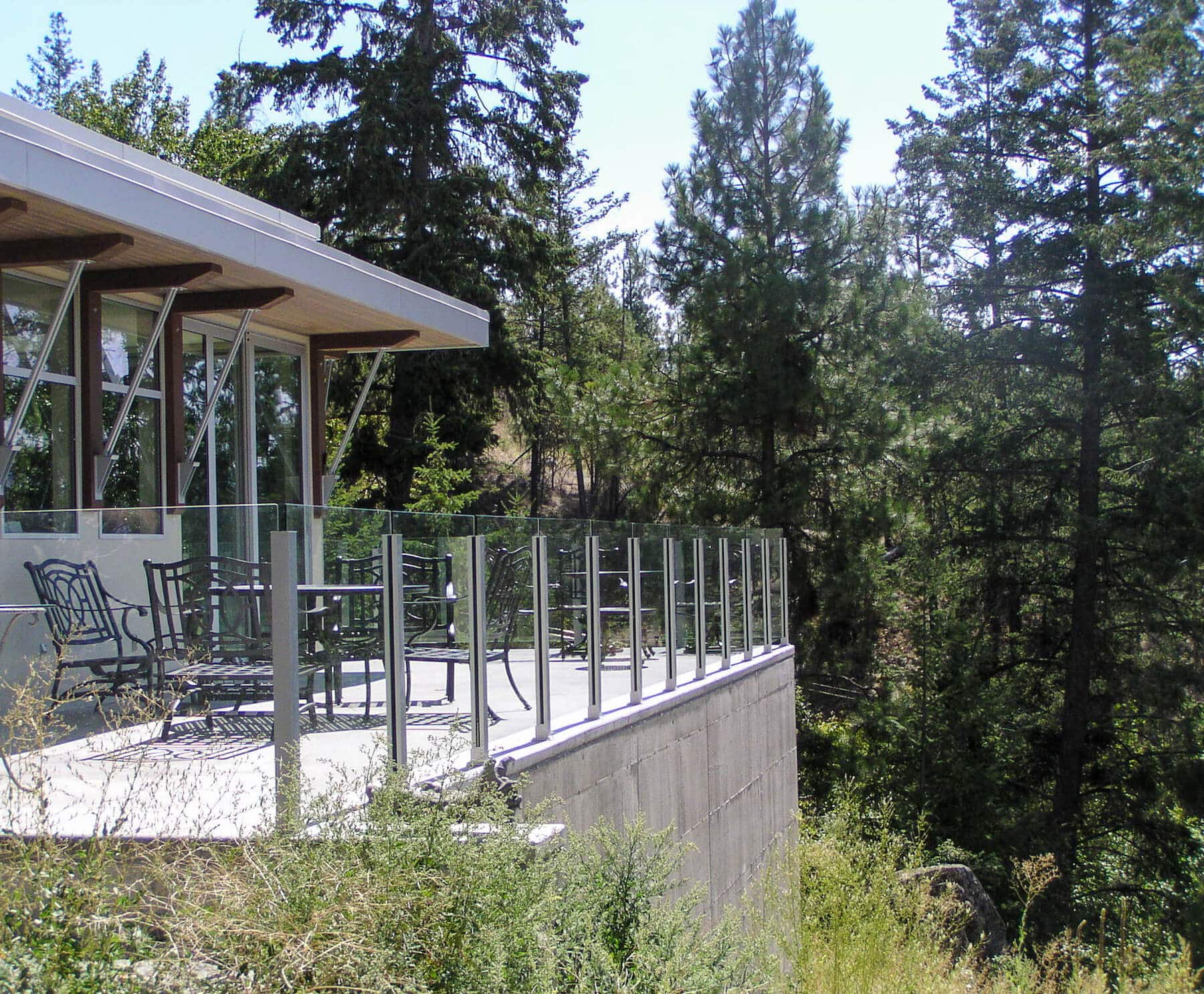
Scenic glass railings place more emphasis on the panels between visible posts. Compare the actual proposed upper-edge treatment rather than assuming that every photograph described as topless has identical details.
Frameless glass for emphasis on the panel
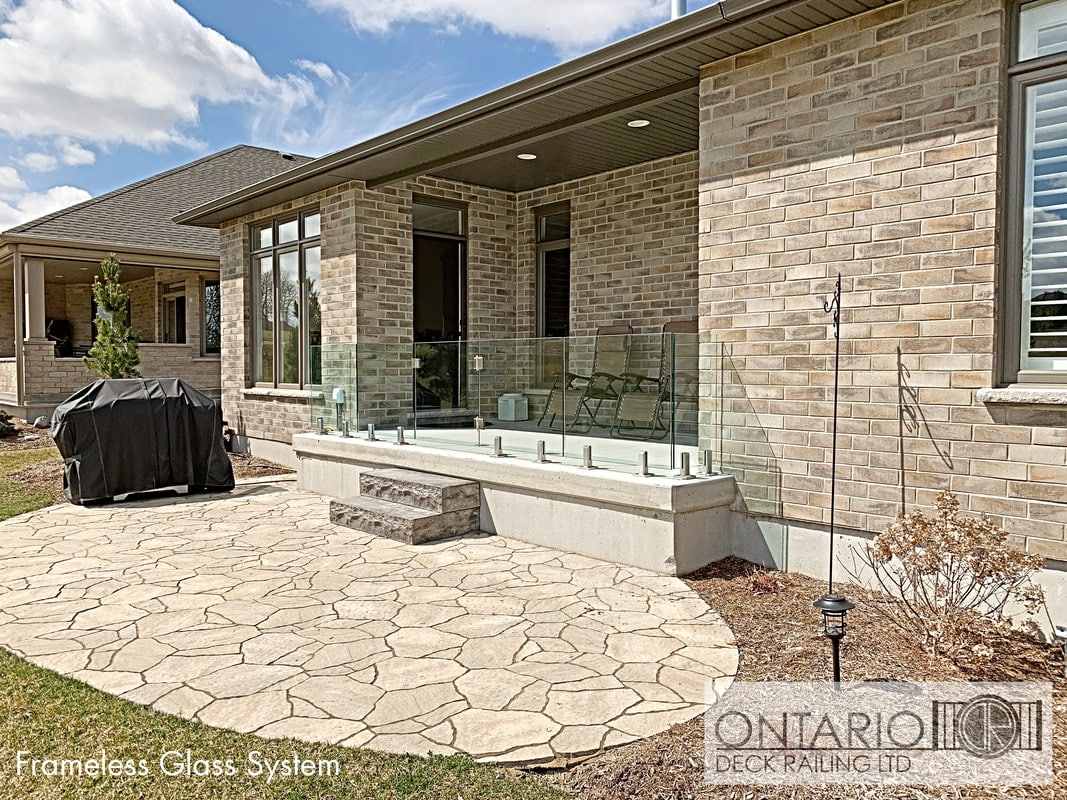
Frameless glass railings use discreet base fittings rather than the visual rhythm of full-height posts. The fittings and supporting conditions still belong in the design conversation. An open appearance does not mean the attachment details can be ignored.
The Scenic and privacy-screen photographs in this guide are DekSmart manufacturer examples, shown for design inspiration.
The choice is personal as well as practical. Look at the entire house in your inspiration image. A railing that feels subtle against one exterior may look disconnected against another. Compare the same visual direction with your own windows, trim and deck edge.
Idea 3: give a porch or entrance a clear rhythm
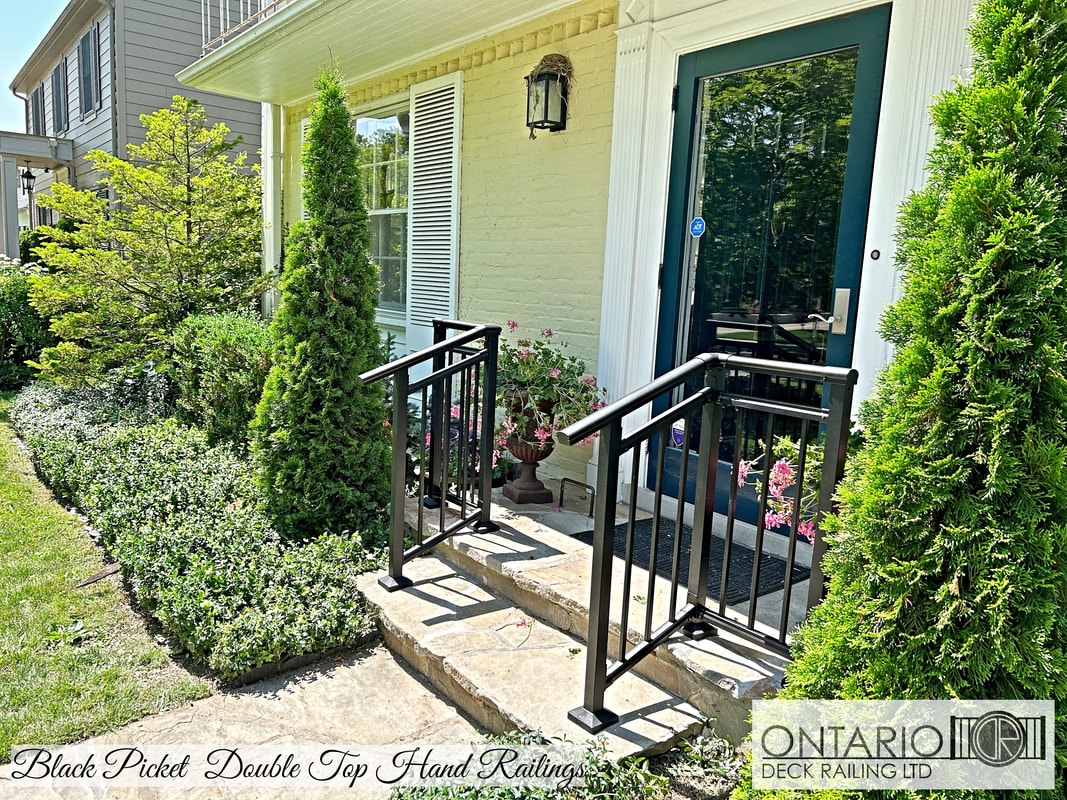
Aluminum pickets can make the route to the entrance feel visually connected. Repeated vertical lines give the steps, landing and porch a recognizable pattern without introducing a solid wall around the space.
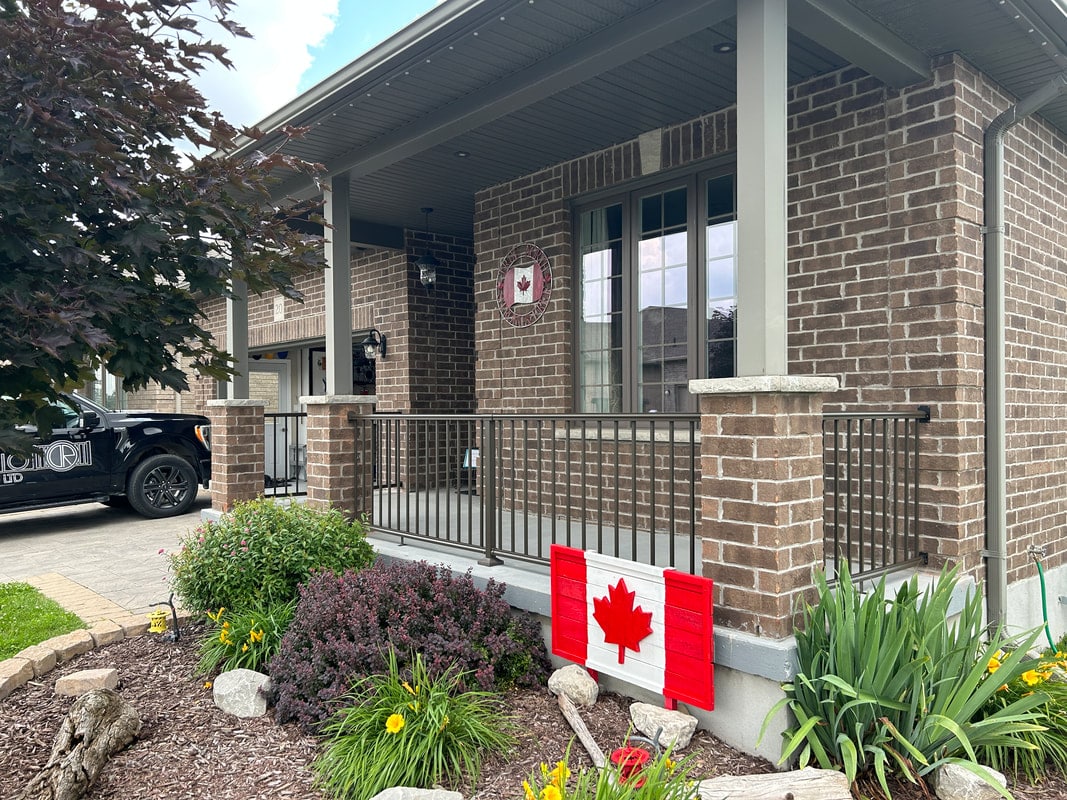
Compare the weight of that pattern with the house. Slimmer-looking pickets can feel lighter; a more pronounced rail or post detail can relate to substantial porch columns or traditional exterior features. The complete profile matters more than colour alone.
ODR’s picket railings, Stop N Go and Mid Rail pages show different directions in the aluminum family. Compare them as design options, then discuss the profiles and components appropriate for your layout.
For a front porch project, include a photograph taken from the street or driveway. That view helps you consider how the railings frame the entrance, rather than judging them only from close up.
Idea 4: connect the finish with the exterior
Begin with something already established on the house: window frames, doors, roof details or porch trim. A railing finish that relates to those elements can help the deck feel like part of the home.
Dark metalwork can create a crisp outline and connect with dark windows or doors. White or lighter framing can relate to porch columns and trim. Warmer finishes may suit brick, stone or timber tones. Treat these as directions to compare, not a rule that every home needs a matching railing.
DekSmart’s official custom-options page shows rail profiles and finish possibilities. Ask which options apply to the selected components and what needs confirmation for your project.
Review a physical finish sample before making the final choice. Screen settings, lighting and surrounding materials affect how a colour appears in a photograph. Also look at the railing in both sun and shade if your deck faces different directions.
If you are keeping some existing railings, show them with the new area in the same photograph. A similar colour does not establish that different products will connect or that their profiles will look identical.
Idea 5: use glass and pickets where they make sense
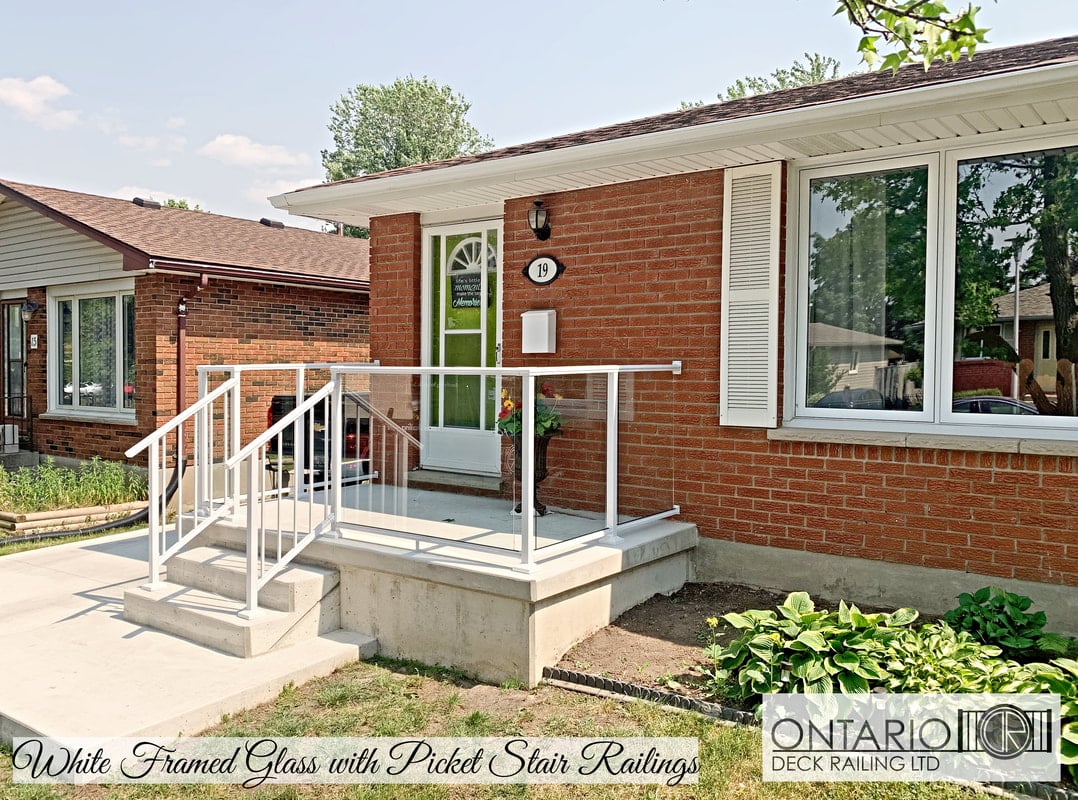
A project can have different visual priorities along different edges. You may want a clearer view from the seating area and a repeated picket pattern along the stairs or an entrance. That is a reason to discuss a coordinated layout rather than automatically repeating one appearance everywhere.
DekSmart shows picket-and-glass combinations within its product range. For an actual project, confirm the selected system, transitions and compatible components. A shared colour or similar post shape does not make unrelated fittings interchangeable.
Sketch where each material would begin and end. Avoid placing a transition arbitrarily in the middle of a prominent view if a corner or change of use provides a clearer visual stopping point.
Then compare the combination with a single-material option using the same layout. A mixed design is not automatically a budget saving; its value may be that it better suits the way you see and use the space.
Idea 6: screen a sightline without closing every view
Clear glass is a view-focused choice, not a privacy guarantee. Open aluminum pickets also allow views through the railing. If a neighbour’s window or patio is the concern, identify that direction as a separate design priority.
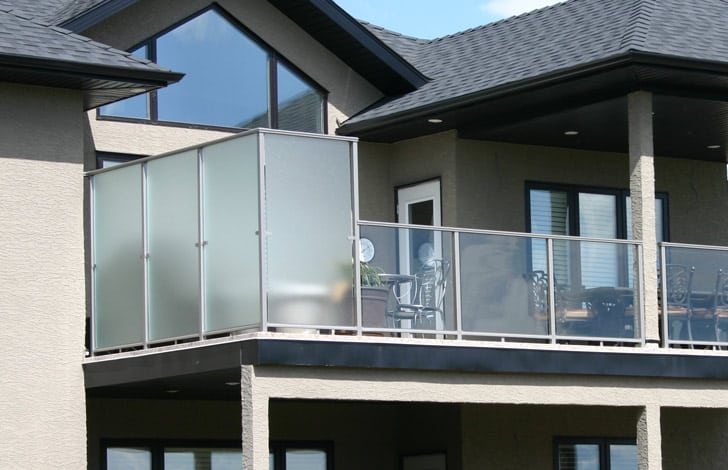
A taller privacy section in one selected area can change a particular sightline while clearer railings remain elsewhere. The proposed screen needs its own product, height and support discussion; it should not be assumed to fit on top of an existing railing.
Take photographs from seated and standing positions, showing the neighbouring area you want to screen. Also mark the views you want to keep. That helps distinguish a privacy goal from a wish to enclose the deck.
Our privacy and wind-wall page explains the different goals. Wind exposure is another discussion: choosing glass for its appearance alone does not establish how a screen arrangement will perform at your site.
Check stairs, cleaning access and everyday use
A railing should make sense along the route through the space, not only in the view from a camera. Show doors, steps, landings and the places where furniture will sit when discussing the layout.
For stairs, consider the guard and the handrail as separate functions. Include any existing wall-mounted or additional support you plan to retain. The outdoor stair railing options help you compare the appearance along that route.
For glass, think about access to both sides of the panels and to the fittings. For pickets, consider access around the rails, posts and coated surfaces. Follow product-specific care instructions rather than assuming any railing is maintenance-free.
Use the actual manufacturer’s care guidance for the supplied products. DekSmart keeps installation, maintenance and warranty documents together in its document library. Confirm applicability when the project uses more than one product or supplier.
Turn your favourite railing ideas into a useful shortlist
Choose two or three photographs for specific reasons. One might show the view through the panels, another the finish against a brick home and another the way the stair railings meet a landing. Explain the feature you like rather than asking to copy every detail.
Keep the requirements for your own deck in the discussion. The Ontario deck railing height guide explains why the building arrangement, deck elevation and finished surfaces matter. Inspiration photos do not establish compliance for another site.
For the quotation, use the same sketch and scope for the alternatives you want to compare. Our deck railing cost guide covers the information that affects the budget without substituting generic online prices for a project-specific quotation.
- Show the space: overall deck, porch and stair photographs.
- Mark the view: what you want to see and which direction needs screening.
- Choose the appearance: pickets, framed glass, Scenic glass or frameless glass.
- Identify the finish: exterior details you want the railings to relate to.
- Describe the scope: supply only or supply and installation, plus any replacement work.
Browse the railing project gallery for ideas, then use the project enquiry form to share your shortlist and layout. Ontario Deck Railing is based in London, Ontario; include your project location so the available arrangements can be discussed.
Deck railing ideas FAQs
What is the best material for a deck railing?
The useful choice depends on your priorities. Compare the view, architectural outline, care access, project requirements and quotation scope. Aluminum pickets and glass panels offer different appearances; neither is universally the best fit for every home.
Are glass railings worth it for a small deck?
Glass is worth comparing if seeing through the perimeter matters in the small space. Look at the posts, rails and fittings as well as the panels. Use photos from your seating position and compare the complete arrangement before deciding.
Can aluminum pickets look right on a modern house?
Yes, a repeated picket pattern can suit a contemporary exterior. Compare the rail profile, post details and finish with the windows and other lines on the house. A modern appearance does not require glass in every project.
Does clear glass provide privacy?
Clear glass is intended to preserve views through the panel. If screening a neighbouring sightline is important, discuss the available privacy-glass or screen arrangements separately, including their position and supporting requirements.
Can I combine glass panels with aluminum pickets?
Discuss a coordinated layout using appropriate compatible components. Identify where the transitions would occur and which products are proposed. A combination shown in one manufacturer’s photograph does not mean every railing component can be mixed interchangeably.
Should I choose the railing colour from an online photo?
Use photographs to narrow your preferred direction, then review the applicable finish samples. Lighting and screen settings affect what you see online. Compare the finish with your own house materials before finalizing the selection.
What should I send when asking about a railing idea?
Share your project location, photos, a simple layout and the images that show the features you like. Explain your priorities and whether you need supply only or installation. Mark any approximate measurements as preliminary.
