To clean glass railings, use the method approved for the glass and its surrounding fittings: loosen surface dirt, wash gently with a suitable non-abrasive cleaner, remove the residue and finish with clean tools. Treat the panels, coated metal and other hardware as separate surfaces. A product suitable for one part of the railing may not suit every part.
The aim is a clearer view without trading an ordinary mark for a damaged finish. This guide explains how to clean glass railing panels, plan a manageable routine and approach winter care. Your supplied product instructions take priority, particularly for coated, decorative or treated glass.
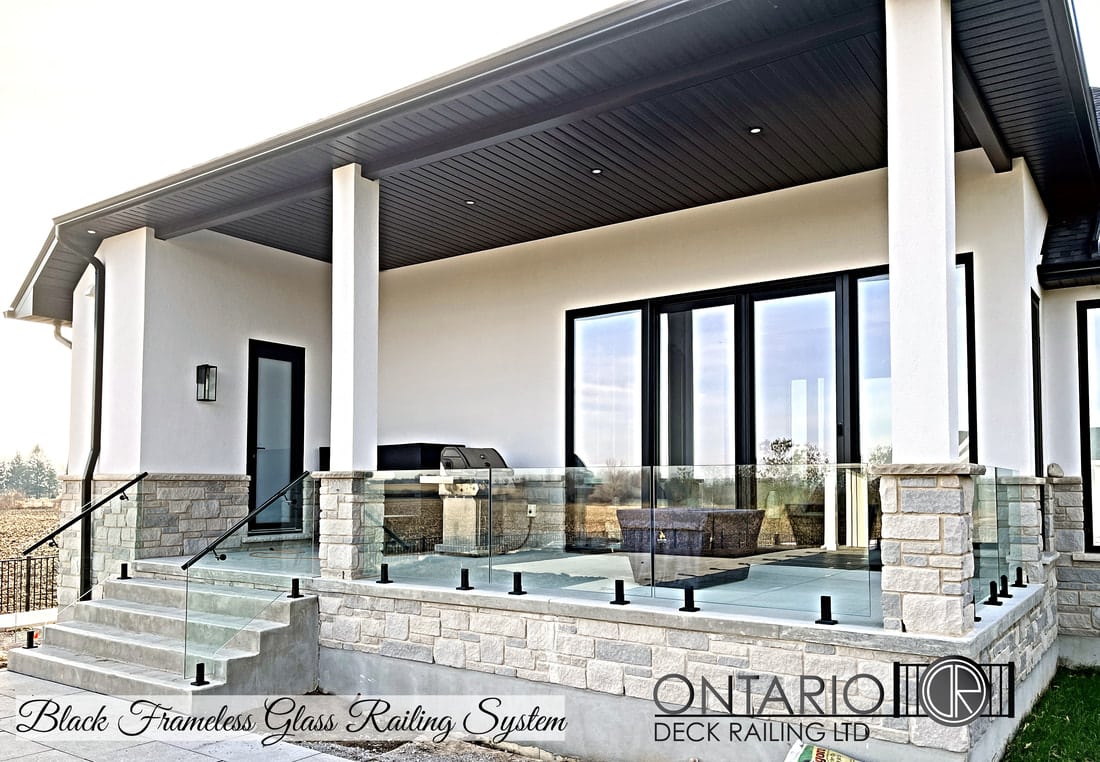
Fingerprints, water marks and other deposits can be visible on clear panels, and both faces need practical cleaning access. That is an ownership consideration rather than a reason to rule out glass. Choose a system and layout whose appearance and care routine suit your space.
How to clean glass railings: the quick routine
Start with these six decisions. They keep an everyday wash separate from stain removal, restoration or repairs.
- Check the product.Identify the glass, any treatment and the finish on nearby metalwork. Read the relevant care instructions.
- Plan safe access.Work from a stable, accessible position. Choose conditions that allow the surface and surrounding floor to dry.
- Loosen the dirt.Use the approved wet-cleaning method before wiping. Keep grit away from cloths and cleaning tools.
- Wash a manageable area.Use a compatible mild cleaner and a soft applicator, following its instructions rather than scrubbing harder.
- Remove the residue.Rinse where instructed and use a clean squeegee or cloth appropriate for the surface.
- Check the result.Look for remaining marks and note any visible damage or changed fittings. Persistent problems need the right advice.
Know what you are cleaning before choosing a product
A railing can look simple while containing several materials. Clear glass may sit in coated aluminum rails, between posts, or above discreet base fittings. A dark support is not necessarily the same material or coating as another dark support.
Find the information supplied with your project: the glass description, railing system and finish. If you cannot identify them, send an overall photograph and a close-up of the supports when asking for guidance. A photograph can help identify the arrangement, but it does not establish every coating or treatment.
| Part of the railing | What to establish | Why it matters |
|---|---|---|
| Glass panels | The glass type and any exposed treatment or decorative surface. | The cleaning method must suit the actual surface. |
| Coated posts and rails | The manufacturer and specified finish. | Glass-cleaning runoff can reach the metal coating. |
| Stainless fittings | The fitting supplier and brushed, polished or other finish. | A finish-specific maintenance product is not interchangeable with every metal cleaner. |
| Black fittings | The underlying material and finish instructions. | A stainless polishing method may be unsuitable for a coated black surface. |
| Adjacent materials | Sealants, decking, masonry and other surfaces in the cleaning area. | Drips and splashes should be considered when choosing and applying a cleaner. |
Our glass railing overview helps distinguish the visible systems. Use it to explain what you have, then refer to the documentation for your particular installation.
Prepare your tools and the area

Keep a dedicated set of clean, soft tools for the railing. A cloth previously used on gritty furniture or masonry is a poor choice for glass, even if it looks reasonably clean.
Useful items include clean water, a compatible non-abrasive cleaning product, soft applicators, clean microfibre cloths and a suitable squeegee. Check that the tools themselves are in good condition and that metal parts will not contact the panel.
Move furniture or planters only where doing so leaves a safe working space. Plan how you will handle drips, protect nearby surfaces and keep people away from a temporarily wet walking area.
Do not lean over a guard, stand on furniture or remove a panel to reach its outside face. Where that face cannot be reached safely, arrange an appropriate cleaning method with a qualified professional.
Wash the panels without making the job harder
Work on one area before treating the entire railing
Follow the product instructions and check a small representative area first. Examine the result in useful daylight before continuing. This is particularly important if the glass or finish is unfamiliar or you are changing cleaning products.
Work in an order that suits the layout. Start where runoff will not repeatedly spoil finished panels, and keep your clean and used cloths separate. On a long run, divide the work into sections you can finish before the cleaning solution dries.
Lift residue before wiping it across the glass
For ordinary glass care, the NGA/IWCA architectural glass cleaning guide, 2020 edition describes wetting and loosening dirt with non-abrasive methods. It also distinguishes routine washing from more demanding construction cleanup.
Keep checking your applicator as you work. If it collects grit, stop and clean or replace it. Returning a dirty cloth to another panel defeats the care taken at the beginning.
Finish the wash rather than leaving cleaner behind
Remove cleaning residue as directed for the glass and nearby components. A squeegee or clean cloth can help finish the panel; the appropriate method depends on the product and water being used. Check corners and the lower area where runoff collects.
If you notice streaks, review the amount of cleaner, the condition of your tools and whether the solution dried before you finished. Try a gentler correction before assuming a stronger product is needed. Never mix cleaning products to improvise a solution.
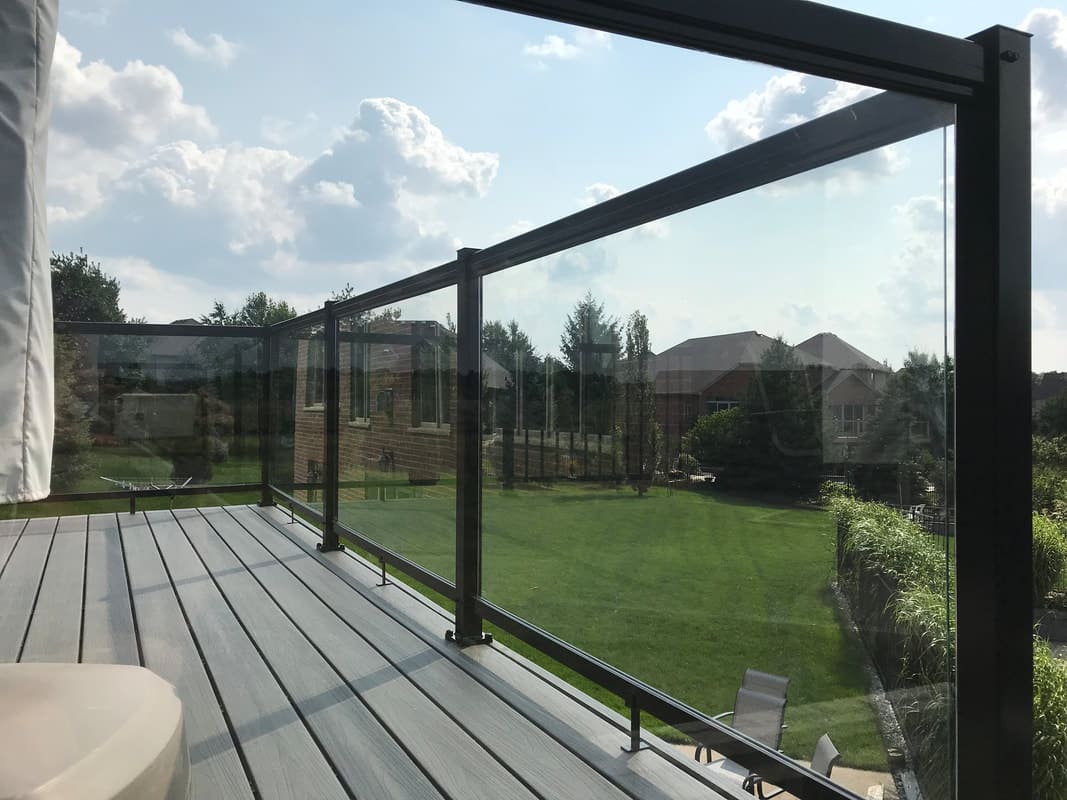
Fingerprints, water marks and stubborn deposits
The useful first question is what you are looking at. A fresh fingerprint, a film left after washing and a persistent deposit are different problems. Describing the mark accurately helps you choose the next step without unnecessarily treating the whole railing.
| What you notice | Useful first approach | When to stop and ask |
|---|---|---|
| Fingerprints or light smears | Repeat the approved routine on that area with clean tools. | The mark remains or the surface reacts unexpectedly. |
| Streaks after washing | Review cleaner residue, tool cleanliness and the finishing method. | You cannot distinguish residue from a change in the surface. |
| Recurring water spots | Note where water reaches the glass and photograph the pattern. | A deposit remains after gentle routine cleaning. |
| Pollen or outdoor grime | Use the approved wet-cleaning method and refreshed tools. | You are tempted to scrape or scour the surface. |
| Bird droppings or dried organic residue | Follow the glass supplier’s directions for loosening the deposit. | The normal method does not release it. |
| Paint, mortar or adhesive | Identify the material and seek suitable post-construction guidance. | Before using blades, solvents or restoration products. |
For recurring marks, notice the pattern around the space. Do spots appear after washing, rainfall or irrigation? Is the same panel affected while another remains clear? Those observations are useful when asking about a product or adjusting a cleaning routine.
Vinegar and other descaling products are often recommended online. Do not treat that as proof of compatibility with your glass, coating, seals and metal fittings. Ask the relevant supplier before applying a stain-removal treatment, especially one that will run onto other materials.
A mark that survives a wash is not automatically a scratch or permanent etching. Describe what happened and what you have already used. Avoid repeated experiments that make the condition harder to assess.
Track a recurring mark before changing the cleaner
If the same area keeps becoming marked, make a simple record over the next few cleaning cycles. Photograph it before washing and after the panel has dried, using a similar angle and lighting where possible. Note whether the marks appeared after irrigation, rain, nearby building work or your own cleaning. This gives the supplier a clearer description than “the glass always looks dirty.”
Change one part of your routine at a time, within the approved instructions. For example, check your cloths or how you remove residue before trying another product. Keep the product label and explain the amount used. A short record helps identify what needs further attention and avoids repeating an unsuccessful method across every panel.
Clean the posts and fittings as separate surfaces
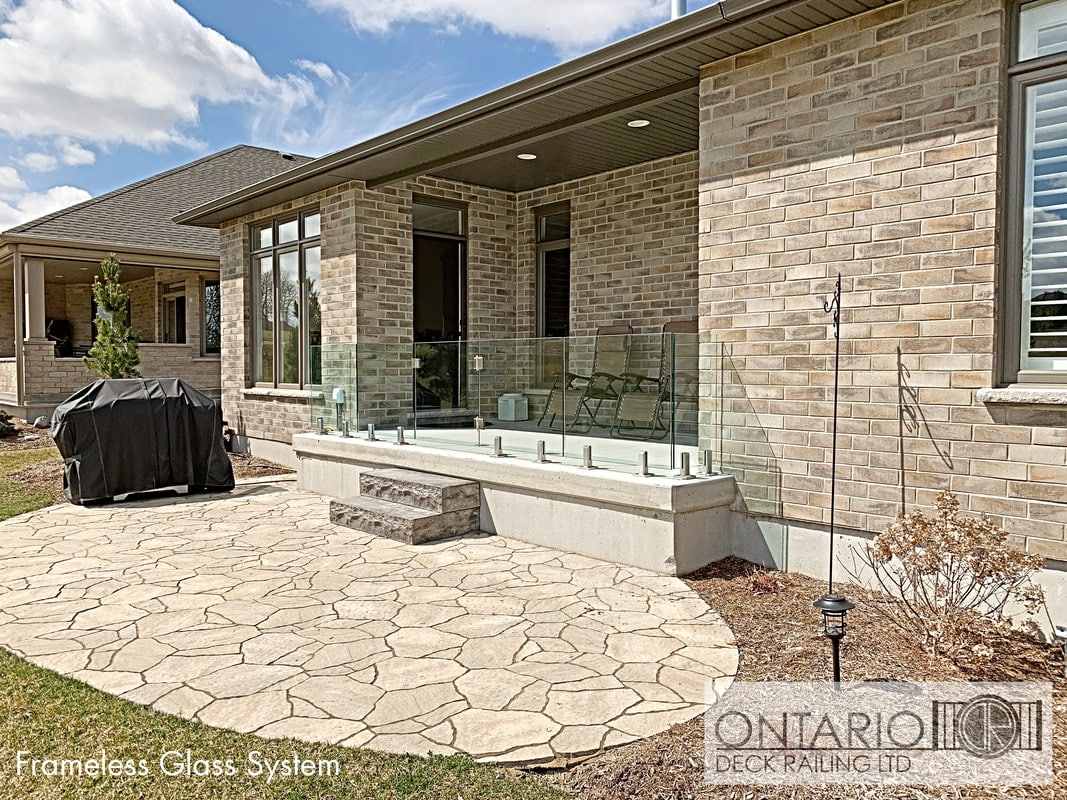
The panel may be the most noticeable part, but the surrounding components belong in the care plan. Keep a record of their manufacturer and finish along with the glass information.
For DekSmart coated aluminum, use the applicable manufacturer care instructions. They cover gentle cleaning and checks of the assembly. Their scope is the aluminum system; they are not a universal glass or stainless-steel manual.
Stainless steel also has finish-specific requirements. CRL’s guidance for its stainless railing products illustrates why brushed and polished finishes need differentiated care. It does not identify CRL as the supplier of your ODR installation or authorize its polishes on unrelated fittings.
For black spigots, confirm the actual finish before using a metal polish. Cleaning stainless underneath a coating is a different proposition from maintaining the exposed coating. Keep maintenance instructions linked to the component rather than choosing a product by colour alone.
The frameless railing page shows the visible base-fitting arrangement. The framed and Scenic glass pages show other supporting details. None of those style names replaces the instructions supplied with a particular system.
Winter care: separate cleaning from removing snow and ice
Plan a useful cleaning opportunity before winter and another when conditions allow a spring cleanup. That gives you a chance to notice existing marks and visible changes before snow or ice makes access more difficult.
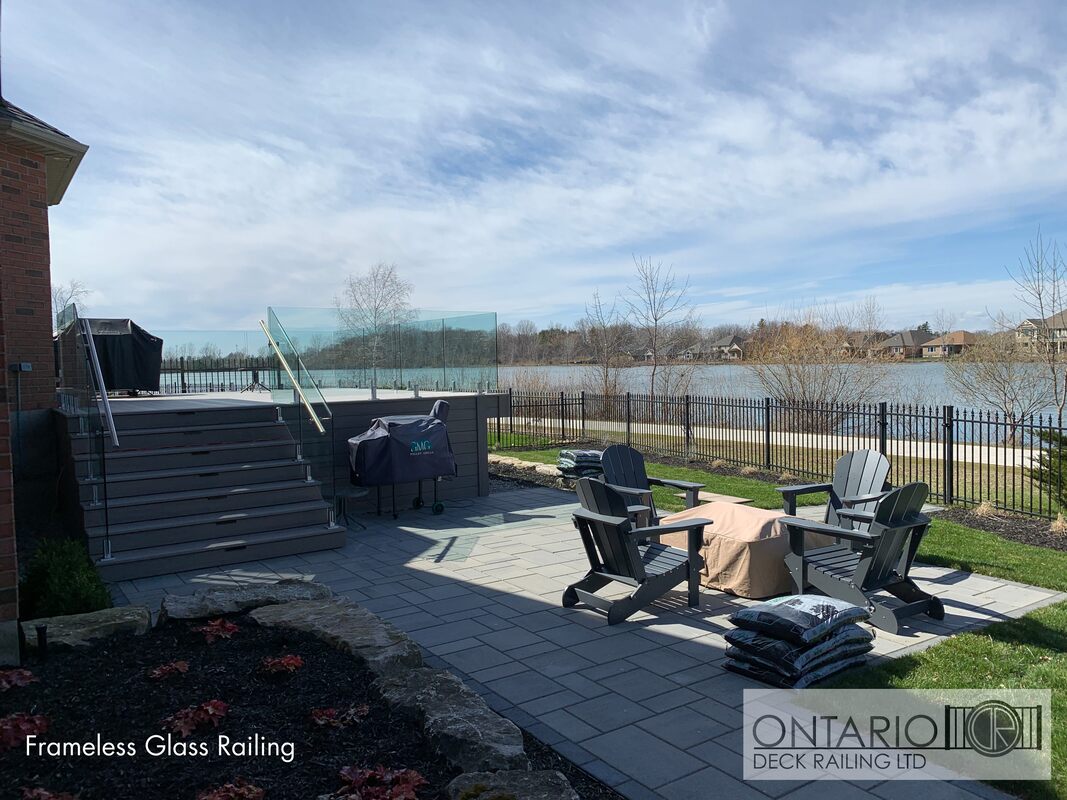
A lakeside setting does not automatically mean saltwater exposure. For an Ontario home, identify the actual conditions around the railing: nearby road spray, products used on the walking surface, sheltered areas and places where debris remains.
During cold weather, prioritize stable footing and conditions in which washing will not create ice on steps or the deck. A clear pane is not worth a slippery route. Postpone the wash if you cannot complete it and manage the runoff appropriately.
Do not use the panel or its fittings as something to strike while breaking up ice. Also avoid improvising with very hot water to melt deposits. Follow the care instructions for the installed glass and hardware rather than assuming a de-icing method is safe for every railing.
Ask about de-icing product compatibility with both the walking surface and the railing components. A recommendation for a deck board does not necessarily cover the nearby metalwork. Likewise, a protection product advertised for glass should not be added to your railing without confirmation that it suits the supplied surface.
When milder conditions return, review residue around the lower panels and accessible fittings. Clean according to the relevant instructions and note any visible change. Do not dismantle parts or try to clear an unfamiliar channel with a tool based on another system’s maintenance video.
How often should glass railings be cleaned?
There is no single calendar interval that suits every deck. Begin with the supplied care requirements, then consider the exposure and appearance you want to maintain. A sheltered porch and an open deck may collect different deposits.
For a new routine, check the panels periodically and note when visible dirt appears. You may find that certain seasons or activities call for additional cleaning. An irrigation pattern, a nearby tree or frequent hand contact can affect one area more than the rest.
Separate appearance-related cleaning from any inspection schedule specified for the system. A panel that still looks clear does not establish that the connections and support require no attention.
A simple care record is useful: date, product used, areas cleaned and any question to follow up. It need not be elaborate. Keeping the installation documents and a few photographs together makes later conversations easier.
What to notice while cleaning—and when to ask for help
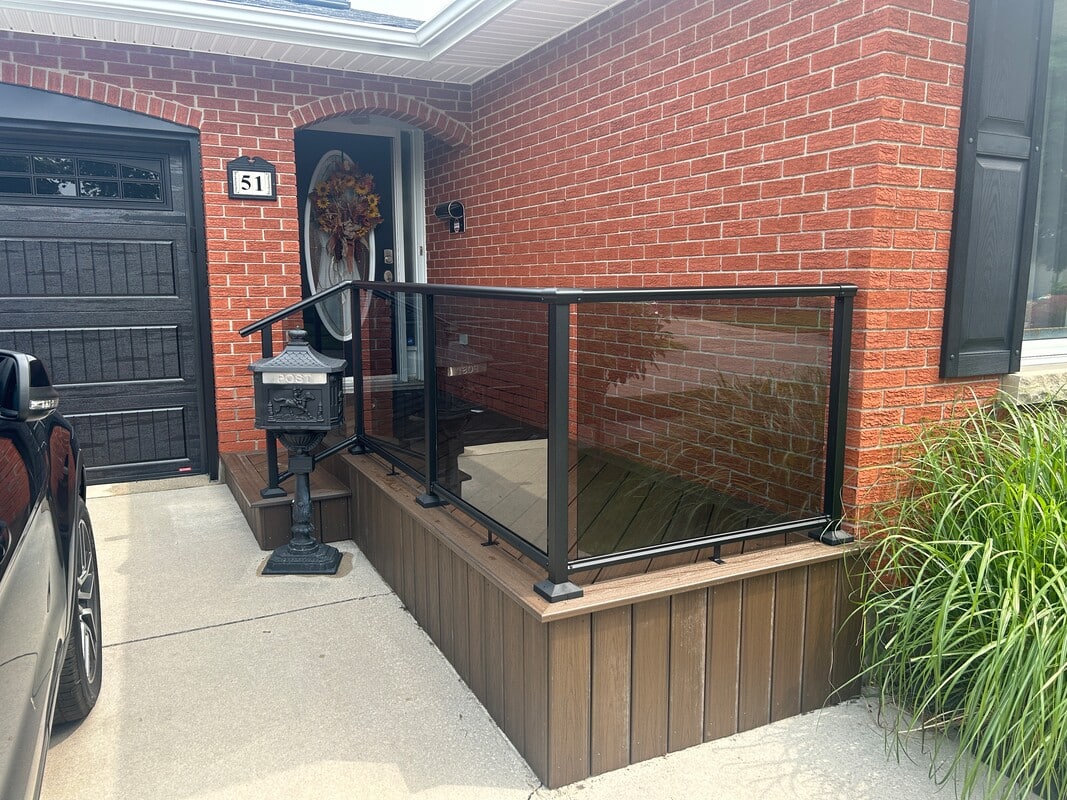
While cleaning, observe the glass edges, supports and accessible connections. Note a visible crack, chip, unexpected gap, changed fitting position or damaged finish. Do not push or loosen parts to test the assembly.
Cleaning advice is different from repair advice. If you observe damaged glass or a potentially unstable component, keep people clear of the affected area and seek appropriate professional assessment. Do not treat a cosmetic wash as a structural remedy.
Take an overall photograph and a close-up from a safe position. Include your project details, when you noticed the issue and any cleaner already used. Contact the relevant supplier or installer for advice about the next step.
Ontario Deck Railing is based in London, Ontario. You can use the contact form to provide information about an ODR railing or discuss a new project. Explain whether your enquiry concerns existing care or a proposed installation, so the team can identify the appropriate conversation.
If you are still choosing a system, the deck railing ideas guide helps you compare the view and appearance. Include cleaning access in that decision rather than leaving it until after installation.
Glass railing cleaning FAQs
What is the best cleaner for glass railings?
The useful choice is a mild, non-abrasive product approved for your glass and compatible with nearby finishes. Check for any surface treatment before selecting it. “Glass cleaner” on a label does not establish compatibility with every component in a railing.
Can I use dish soap to clean glass railings?
Use a mild soap solution only where the supplied instructions allow it, with the appropriate concentration and finishing method. Dishwashing-machine detergent is not interchangeable with a gentle hand-cleaning product. Avoid creating a mixture of several cleaners to deal with streaks.
Can I use vinegar on glass railing panels?
Do not assume an online vinegar recipe suits the whole assembly. Confirm suitability for the glass, any treatment, joints and adjacent metal. If routine cleaning leaves a mineral-looking deposit, identify the surface and ask for a compatible removal method.
Are ammonia or bleach cleaners safe for my railing?
Check the actual product instructions rather than applying a blanket rule to every glass type. These cleaners should not be assumed suitable for coatings, sealants or fittings. Do not mix products, and do not use an unknown cleaner simply because it worked on another household surface.
Can I pressure-wash glass deck railings?
Do not substitute pressure washing for the gentle routine without explicit guidance for your system. Directing water at joints and supports raises different considerations from wiping a panel. Confirm the permitted method and access arrangement instead of borrowing a deck-cleaning procedure.
How do I remove hard water spots?
Begin with the approved routine and note where the spots recur. If a deposit remains, ask the glass supplier about a compatible treatment before using a descaler or polishing compound. A persistent mark alone does not establish permanent damage.
Does glass railing need cleaning every month?
Follow product-specific requirements and adjust appearance-related cleaning to the actual deposits and exposure. There is no universal monthly rule for every home. Keep any required inspections separate from whether the panels currently look clean.
How should I clean glass railings in winter?
Choose conditions that permit safe access and prevent washing runoff from freezing on walking surfaces. Snow and ice management needs separate care; avoid striking the glass or improvising with very hot water. Ask about products and methods appropriate to the complete system.
